Our Location
304 North Cardinal St.
Dorchester Center, MA 02124

304 North Cardinal St.
Dorchester Center, MA 02124

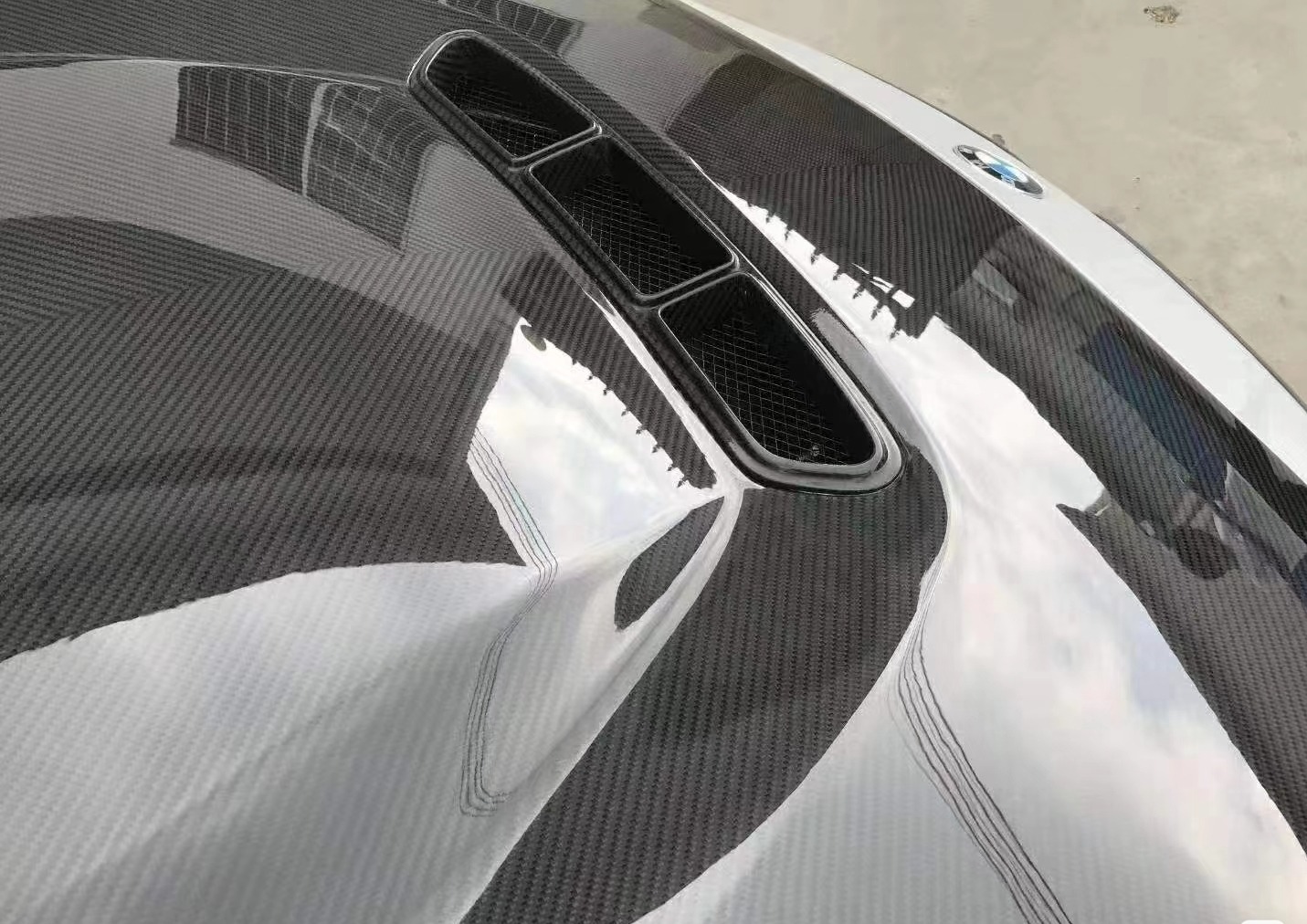
Dry carbon hoods play a crucial role in supercars, and their production process is highly intricate and complex. This article aims to introduce the steps involved in manufacturing a dry carbon fiber hood, showcasing the craftsmanship behind this high-performance material
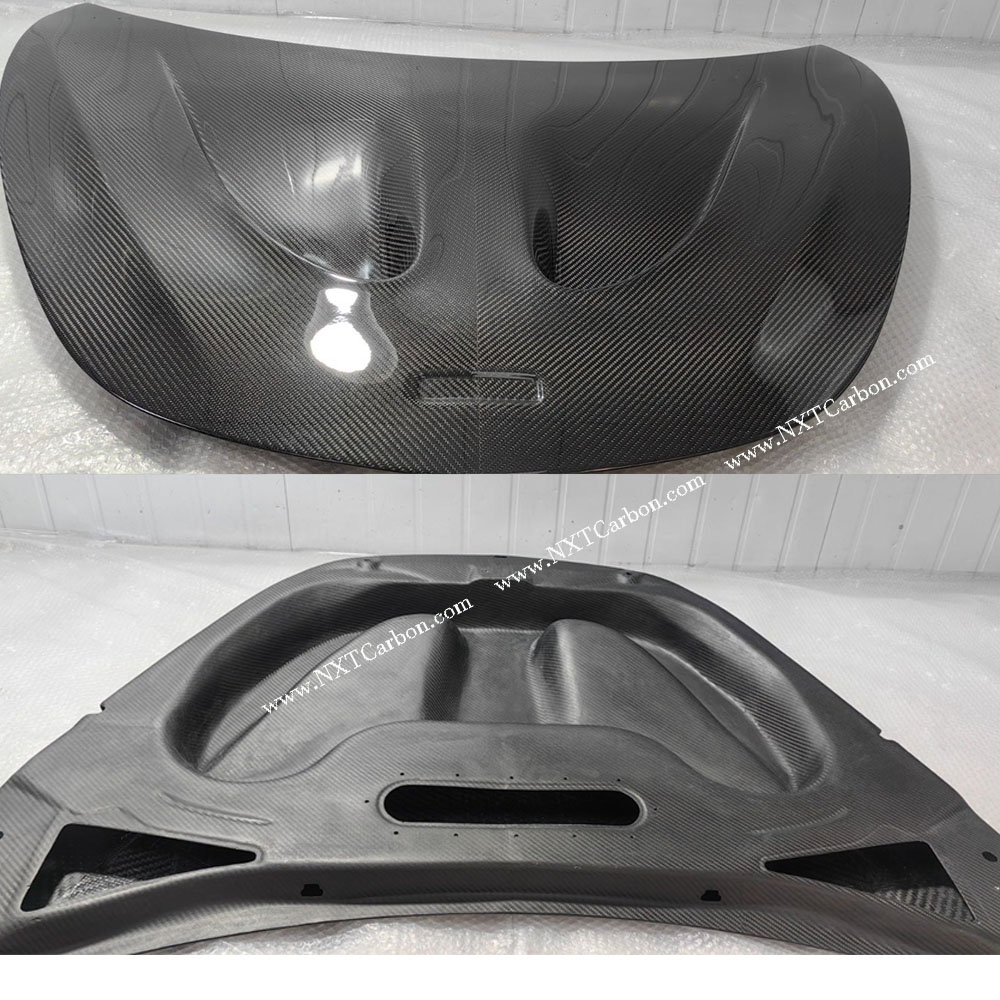
1. Design and Mold Making: The first step in creating a dry carbon fiber hood is designing and creating a suitable mold. Designers will create detailed design blueprints based on the car model requirements and performance needs. Mold makers will then craft an accurate mold based on these design blueprints for the subsequent manufacturing process
2. Material Preparation: The primary material required for manufacturing a dry carbon fiber hood is carbon fiber prepreg. Prepreg is carbon fiber fabric pre-impregnated with resin, typically epoxy resin. During the manufacturing process, these prepreg sheets will be cured at high temperatures, forming a durable carbon fiber structure.
3. Material Cutting: The carbon fiber prepreg sheets are cut into the required dimensions and shapes. This step is typically carried out using computer numerical control (CNC) cutting machines to ensure precision and consistency.


4. Layup and Curing: The cut carbon fiber sheets are then laid up layer by layer in the mold. Each layer is coated with resin to enhance bonding and is compacted using specialized tools to ensure tight interlayer connections and even distribution. The entire layup assembly is then placed in a pressure curing oven, where it undergoes curing at high temperature and pressure to fully cure the resin and form a solid structure.
5. Trimming and Machining: Once cured, the carbon fiber component requires trimming and machining to remove excess material and burrs. This step involves mechanical cutting and sanding processes to ensure the hood’s flatness and surface quality.
6. Painting and Coating: The trimmed dry carbon fiber hood undergoes painting and coating processes to enhance its surface glossiness and durability. Special high-temperature and chemical-resistant coatings are commonly employed to ensure the hood maintains its appearance and performance under various harsh environmental conditions.
7. Final Inspection and Delivery: After painting and coating, the dry carbon fiber hood undergoes rigorous quality inspections, including dimensional accuracy, surface quality, and functional testing, to ensure compliance with requirements. Once approved, the hood is packaged and prepared for delivery to the customer.
The manufacturing process of dry carbon fiber hoods is a meticulous and intricate craft that transforms carbon fiber prepreg into lightweight and high-strength hoods. These hoods not only enhance the performance and appearance of supercars but also provide drivers with exhilarating driving experiences. We strive for excellence in the production process of dry carbon fiber hoods, aiming to deliver high-quality products to our customers. We look forward to our dry carbon fiber hoods adding unique charm and exceptional performance to your supercar!
NXTCarbon our goal is to provide top-quality supercar kits at more fordable prices for car owners. more cheaper than darwin pro. and our goal is become one of the best body kit manufacturers.
